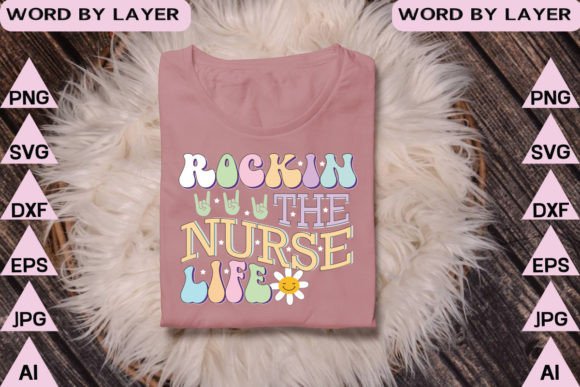
Retro Nurse Design: A Practical Review
As a designer who has spent years digitizing patterns and reviewing machine embroidery design assets for small businesses, I have learned to look past the glossy mockups. What matters is how a file behaves under the needle. Recently, I evaluated the Retro Nurse T-shirt Design, Nursing Scho to determine its viability for real-world craft projects. This is not just about aesthetics; it is about stitch integrity, fabric compatibility, and commercial potential for Etsy sellers and boutique owners.
First Impressions and Visual Mood
The immediate appeal of this Graphics asset lies in its nostalgic tone. The "nursing school survivor" theme taps into a specific cultural moment that resonates deeply with healthcare workers and students. Visually, the retro styling suggests a relaxed, vintage vibe rather than a sterile medical look. For an embroidery project, this mood translates well into casual wear and lifestyle items. The layout appears balanced, avoiding the cluttered feel that often plagues text-heavy designs. When I visualize this on a garment, I see it working best as a chest logo or a centered statement piece on a tote. The visual personality is friendly and resilient, which is exactly what customers look for in a personalized gift for a graduate or a seasoned nurse.
Real-World Application Scenarios
To test the versatility of this design, I considered several common production scenarios. The most obvious application is custom apparel. Imagine this stitched onto a heather grey sweatshirt. The retro font style complements the soft texture of fleece, creating a cohesive look that feels high-end rather than homemade. However, the utility extends beyond clothing. I pictured this as a tote bag design for nursing students carrying heavy textbooks. On canvas, the bold lines of the design would stand out clearly, provided the stitch density is managed correctly.
Another strong candidate is the embroidered patch. Patches are trending in the craft business world because they allow for low-risk inventory. If this design holds up as a standalone patch, it can be sold separately or applied to caps and jackets later. For holiday seasons, this could easily become a popular holiday embroidery item for graduation gifts in May or December. The key here is adaptability. A design that only works on one fabric type limits your market, but this concept feels flexible enough for various T-Shirt Designs and home decor items like pillow covers.
Technical Performance and Stitching Clarity
When evaluating any digital embroidery file, I look for potential pitfalls in stitching clarity. Retro fonts often feature thick, blocky letters. In embroidery, these require careful management of fill stitch direction to prevent puckering. If the design relies heavily on dense fills without proper underlay, it can pull on stretchy fabrics. I recommend checking the stitch path if you have access to editing software. Look for excessive jumps or redundant stitches that add time without adding value.
The inclusion of SVG, DXF, PNG, and EPS files in the package is a significant advantage for multi-platform sellers. While the embroidery machine uses specific formats, having vector files allows you to create high-quality printable mockup assets for your online store. This helps customers visualize the finished product before buying. For those using cut machines alongside embroidery machines, the DXF and SVG files enable you to create matching vinyl decals or heat transfer layers, expanding the product line without new design work.
Fabric and Hoop Considerations
Not every surface is suitable for this design. On thin or stretchy fabric, such as lightweight tri-blend t-shirts, the weight of the thread can cause distortion. Here, the choice of stabilizer is critical. A cut-away stabilizer is usually safer for garments that will be washed frequently, ensuring the design remains flat and intact. For structured items like caps or bags, a tear-away might suffice, but always test first.
Hoop size is another constraint. While the exact dimensions are not specified in the brief description, retro designs often benefit from larger hoops to allow the lettering to breathe. If you are working with a 4x4 inch hoop, you may need to resize the design, which could compromise the legibility of smaller details. Always measure your hoop area against the design bounds. For curved surfaces like baseball caps, ensure the design is not too wide, as it may wrap around the curve and distort the perspective.
Commercial Viability and Brand Trust
For the Etsy seller or small shop owner, consistency builds trust. This design fits well within a niche brand focused on healthcare appreciation. Using a cohesive set of design assets helps establish recognition. When a customer sees this retro style, they associate it with quality and humor. However, professionalism comes from execution. A poorly stitched design, regardless of how cute the graphic is, will lead to returns and negative reviews.
It is vital to confirm licensing terms before selling. The description mentions use for T-shirts, mugs, and bags, which implies commercial use for physical products. However, always read the specific license included in the zip file. Some creators allow unlimited physical sales but restrict digital resale. Understanding these boundaries protects your craft business from legal issues.
Practical Designer Notes
Before running a full production batch, follow these steps:
- Test on scrap fabric: Use the same material and weight as your final product to check for puckering or thread breaks.
- Check thread contrast: Retro designs often look best with muted or vintage-colored threads. Test combinations to ensure the text remains readable against the fabric background.
- Inspect small details: Zoom in on the digital file. Are there tiny elements that might get lost in stitching? Simplify if necessary.
- Verify hoop compatibility: Ensure the design fits your machine’s largest hoop if you plan to scale it up for blankets or large totes.
- Mockup in black and white: This helps you see the contrast and shape without the distraction of color, ensuring the silhouette is strong.
In conclusion, the Retro Nurse T-shirt Design, Nursing Scho offers strong potential for makers who understand their materials. It is not just a graphic; it is a tool for creating meaningful handmade products. By paying attention to stitch density, stabilizer choice, and fabric texture, you can transform this digital file into a high-value item that resonates with buyers. Whether for a baby embroidery onesie for a nurse’s child or a sturdy apron for clinical rotations, this design serves as a solid foundation for creative entrepreneurship.