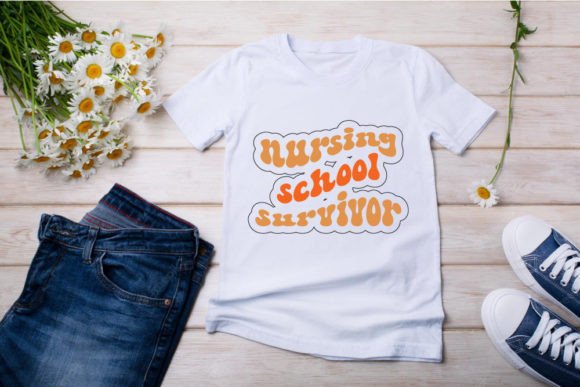
Retro Nurse Design: A Practical Embroidery Review
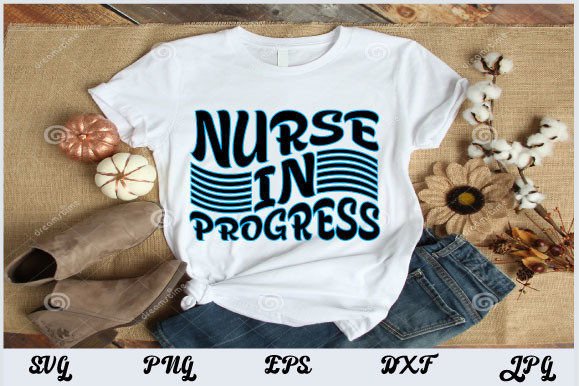
As a designer who has spent countless hours digitizing and stitching out graphics, I approach every new machine embroidery design with a mix of curiosity and caution. We have all been there: you download a file that looks crisp on the screen, only to find it turns into a tangled mess of thread breaks and puckering once it hits the fabric. That is why I took a close, practical look at the Retro Nurse Design, Nurse in Progress. This isn’t just about whether it looks cute; it is about whether it holds up in the real world of custom apparel and handmade goods.
The first impression of this graphic is undeniably charming. It captures that specific mid-century aesthetic that has become so popular in modern craft circles. The lines are clean, and the character posture suggests movement and care, which resonates well with the nursing profession. For an embroidery project, however, aesthetics are only half the battle. The way the shapes translate from a flat digital image to textured thread is where the true value lies. When I visualized this design stitched out, I immediately thought of its potential for personalized gifts and boutique merchandise. It feels warm, professional, and approachable all at once.
From Digital File to Stitched Reality
One of the most critical aspects of evaluating any embroidery file is understanding its source format. The product description notes that you will receive five files: SVG, PNG 300 dpi, EPS, DXF, and JPG. It is important to pause here and clarify what this means for an embroiderer. These formats are primarily suited for use with Cricut, Silhouette, and other cutting machines. They are excellent for vinyl decals, heat transfers, or printed graphics on T-Shirt Designs. However, they are not native machine embroidery formats like PES, DST, or JEF.
This distinction matters significantly for your workflow. If you are planning to stitch this directly onto a sweatshirt or tote bag using an embroidery machine, you will need to convert these vector or raster images into a stitch file using digitizing software, or ensure you have access to a pre-digitized version if one is provided separately. For those who are comfortable with digitizing, the clean lines of the SVG and EPS files make for an excellent base. The lack of excessive noise in the JPG and PNG files means you can trace the outlines accurately, ensuring that your satin stitch borders remain smooth and your fill stitch areas are evenly distributed.
Real-World Application: The Custom Tote Scenario
To test the viability of this design in my mind, I imagined a recent client request: a set of customized canvas tote bags for a local nursing graduation ceremony. The client wanted something that felt vintage yet celebratory. The Retro Nurse Design, Nurse in Progress fits this brief perfectly. On a sturdy canvas tote, the design would stand out boldly. Because the graphic relies on strong silhouettes rather than intricate, microscopic details, it translates well to the slightly rougher texture of canvas.
In this scenario, I would recommend using a heavy-cut stabilizer to prevent the fabric from pulling under the weight of the thread. The design’s retro vibe pairs beautifully with classic thread colors—think muted teal, soft coral, or cream against a navy or olive background. This kind of thoughtful color selection elevates the handmade product from a simple craft item to a cherished keepsake. Customers are increasingly looking for items that feel curated and high-quality, and a well-executed embroidery job does exactly that.
Versatility Across Products
Beyond tote bags, this graphic has strong potential across various custom apparel items. Imagine it embroidered on the left chest of a scrub top or a cozy fleece jacket. The scale of the design seems appropriate for these placements, offering visibility without being overwhelming. It also works wonderfully for baby embroidery projects, such as onesies or bibs for the children of healthcare workers. The gentle, nostalgic feel of the retro style softens the clinical association of nursing, making it perfect for family-oriented gifts.
For Etsy sellers and small shop owners, versatility is key to maximizing profit. This design could be adapted for embroidered patches, which are currently trending. A patch allows the customer to apply the design to multiple items, increasing the perceived value. Additionally, it could serve as a central element for holiday embroidery gifts, such as Christmas ornaments or decorative pillow covers for nurse-themed home decor. The key is to maintain consistency in your branding while adapting the size and thread colors to suit each specific product.
Technical Considerations and Caution Areas
While the design is strong, there are areas where caution is necessary. If you are converting this graphic for embroidery, pay close attention to any small text or fine details that might be present in the original artwork. Tiny lettering often gets lost in stitching, especially on textured fabrics like terry cloth towels or fuzzy fleece. In such cases, simplifying the design or increasing the stitch width can help maintain clarity.
Another consideration is the hoop size. Ensure that the scaled design fits comfortably within your machine’s hoop, leaving enough margin for the stabilizer to hold the fabric securely. Curved surfaces, such as caps or hats, require careful hooping and possibly a different stabilizer strategy to prevent distortion. Always test the design on scrap fabric first. This step is non-negotiable for professional results. Check how the thread colors interact with the fabric background. A dark thread on a dark fabric may lose definition, while a light thread on a white fabric might appear washed out unless you use an underlay stitch effectively.
Building Trust and Value
Ultimately, the success of a product like the Retro Nurse Design, Nurse in Progress depends on how it enhances the perceived value of your finished item. High-quality embroidery signals professionalism and care. When customers see neat stitches, proper tension, and a design that sits flat against the fabric, their trust in your brand grows. This is crucial for commercial embroidery businesses where repeat customers and word-of-mouth referrals drive growth.
Before selling any finished items or digital products derived from this graphic, always confirm the licensing terms. Since the provided files are geared toward cutting machines, ensure you have the right to use the underlying artwork for commercial embroidery purposes. Respecting intellectual property not only protects your business but also supports the creative community. By combining this charming retro graphic with skilled embroidery techniques, you can create standout pieces that resonate with healthcare heroes and craft lovers alike.