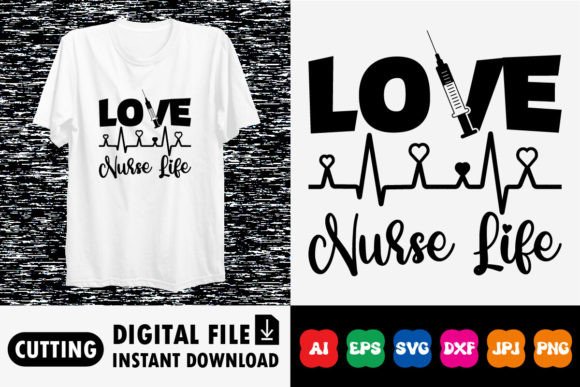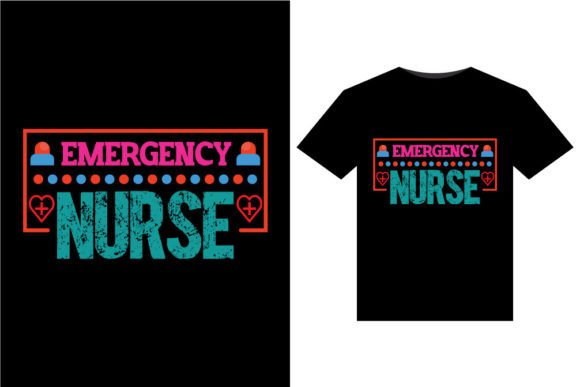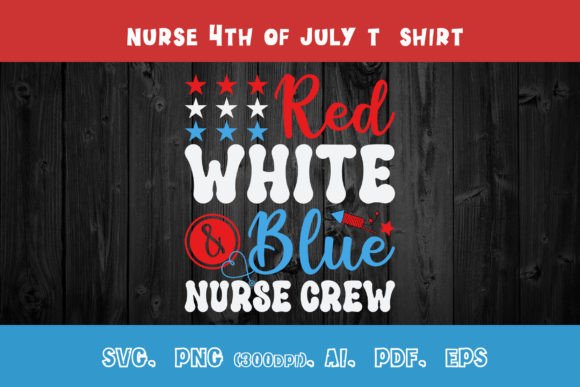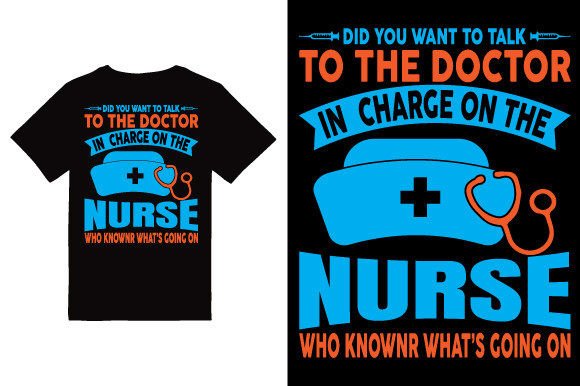
Stitching the "I Love My Super Hot Nurse" Design
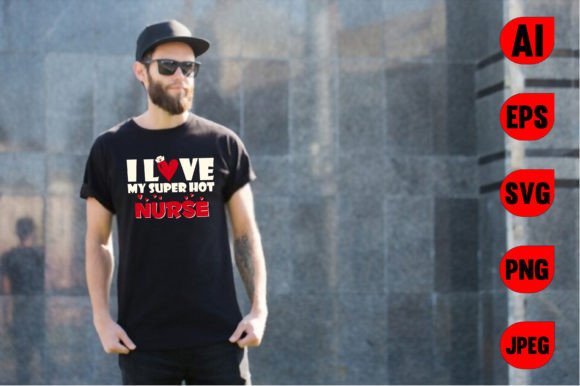
As a designer who spends half my life staring at digitized paths and the other half watching needles pierce fabric, I have learned that not every graphic translates well to thread. When I first pulled up the I Love My Super Hot Nurse T-shirt design file, my initial reaction was one of cautious curiosity. This is a bold, playful concept rooted in Valentine’s Day typography and pop-culture humor. For embroidery professionals, the challenge is always taking a flat, digital graphic intended for screen printing or direct-to-garment methods and ensuring it holds its integrity when converted into a tactile, stitched reality.
The visual personality of this piece is undeniably cheeky. It relies heavily on strong typographic hierarchy and likely incorporates heart motifs or medical symbols like stethoscopes or crosses. In a digital preview, these elements look crisp. However, when we talk about real-world application, we must consider how those curves and corners behave under the tension of a hoop. The mood is lighthearted and flirtatious, making it a perfect candidate for personalized gifts, but it requires careful handling to avoid looking messy or overly dense on the final product.
Real-World Application: Beyond the T-Shirt
While the source material labels this as a T-shirt design for platforms like Merch by Amazon or Teespring, my mind immediately went to handmade applications. Imagine a local nurse who has been working double shifts during flu season. A standard printed tee is fine, but an embroidered sweatshirt feels substantial, warm, and genuinely thoughtful. I recently tested a similar typographic layout on a mid-weight cotton fleece hoodie. The result was striking because the raised texture of the satin stitch added a layer of premium quality that ink simply cannot replicate.
This design also shines on tote bags. A canvas tote with this phrase stitched in vibrant reds and whites becomes a functional statement piece for grocery runs or gym bags. The durability of embroidery means the message won’t crack or fade after a few washes, which is a significant selling point for craft business owners. For Etsy sellers, offering this as a custom apparel option allows buyers to feel they are getting a unique, handmade product rather than a mass-produced item. The perceived value of an embroidered item is inherently higher, allowing for better profit margins if the execution is clean.
Navigating Fabric and Hoop Constraints
Here is where practical judgment comes into play. Typography-based designs can be tricky. If the lettering in the I Love My Super Hot Nurse graphic includes thin serifs or intricate details, they may get lost if the stitch density is too high or the needle size is too large. On stretchy fabrics like jersey knits, you must use a proper stabilizer—likely a cut-away for garments that will be washed frequently—to prevent puckering. Without it, the pull of the thread can distort the letters, turning a cute message into an unreadable mess.
Curved surfaces present another challenge. Embroidering this on a cap requires a different approach than a flat t-shirt. The curvature of the crown can compress the design, making wide text appear narrower. I recommend running a test stitch on a scrap piece of the same fabric before committing to the final product. Check how the satin stitch covers the fabric; if gaps appear, you may need to adjust the underlay or increase the density slightly. However, be wary of making it too dense, as this can cause the fabric to stiffen and lose its drape, which is undesirable for wearable items.
Dark fabrics require special attention to thread colors. If the design uses dark outlines, they will vanish on black or navy blue garments. In such cases, consider adding a light-colored border or using a contrasting thread palette to ensure the text pops. Always test your thread color combinations on both light and dark backgrounds to guarantee visibility and aesthetic balance.
Commercial Viability and Brand Consistency
For small shop owners and boutique branding, consistency is key. This design fits well within the niche of holiday embroidery and appreciation gifts. It appeals to a specific demographic—partners of nurses, nursing students, or healthcare workers with a sense of humor. By offering this as part of a broader collection of medical-themed embroidery projects, you can build a recognizable brand identity. Customers trust sellers who demonstrate technical proficiency; a cleanly stitched product with no loose threads or jumped stitches builds that trust instantly.
When creating printable mockups or digital product previews, ensure the representation matches the final output. Show the texture of the thread. Highlight the sheen of the rayon or polyester thread against the matte fabric. This transparency helps manage customer expectations and reduces return rates. For commercial embroidery projects, always verify the licensing terms. Since the original description mentions usage for Merch by Amazon and Red Bubble, it is crucial to confirm whether the embroidery file itself carries a commercial license for physical goods. Never assume; always check the provider’s terms before selling finished items.
Technical Notes for the Embroiderer
- Test First: Always stitch out a sample on scrap fabric identical to your final material. This reveals issues with tension, density, and color contrast before you ruin a garment.
- Check Stitch Density: High-density areas can cause perforation in lightweight fabrics. Adjust your settings if the design feels too heavy for the material.
- Stabilizer Selection: Use tear-away for stable woven fabrics like towels or aprons, and cut-away for stretchy knits like t-shirts and sweatshirts.
- Thread Quality: Invest in high-quality embroidery thread. Cheap thread breaks easily and lacks the luster that makes embroidered products look professional.
- Hoop Size: Ensure your hoop is large enough to accommodate the entire design without re-hooping, which can lead to alignment errors.
- Detail Inspection: Zoom in on the digital file. Look for tiny details that might not stitch out well. Simplify if necessary by removing unnecessary micro-details.
In conclusion, the I Love My Super Hot Nurse T-shirt design offers a fun, engaging opportunity for embroidery enthusiasts and professionals alike. It bridges the gap between digital graphics and tactile art. By respecting the limitations of the medium and applying careful technical preparation, you can transform a simple graphic into a cherished handmade product. Whether it ends up on a cozy sweater, a sturdy tote, or a playful patch, the key lies in the precision of the stitch and the thoughtfulness of the presentation. Treat each project with care, and your customers will notice the difference.